Your CX dashboard shows every queue under SLA at 9:02 AM. By 9:14, the same customer has waited 11 minutes in chat, hung up on the IVR, and is now retelling their billing issue to a human agent who sees one thread of three. That gap is where B2B teams struggle with AI: the bot answers, but the workflow still depends on humans copying context between systems. The customer feels the break before your report catches it.
The common answer is to add more automation. The better answer is to rebuild how human agents and AI agents share work, context, and handoffs. If AI only answers questions, it isn't running customer operations. It is just another queue with a nicer demo.
Key Takeaways:
- B2B teams struggle with customer operations when support, sales follow-up, outbound, chat, voice, and knowledge sit in separate systems.
- The real bottleneck is rarely agent effort. It is the missing operating layer between customer conversations and internal workflows.
- AI should not replace every human touch. It should take repeatable work and hand off judgment-heavy conversations with full context.
- A practical test: if a customer has to repeat their issue after escalation, your AI and human teams are not sharing the same workspace.
- Tool consolidation matters only when it connects answering, routing, logging, follow-up, escalation, and reporting.
- The strongest customer operations model treats inbound and outbound as one workflow, not two separate departments.
Why B2B Teams Struggle With Customer Operations

Fragmented Tools Create Fragmented Customers
A Head of CX opens Monday at 8:47 AM with 600 open tickets in Zendesk, 180 missed calls in the dialer, 74 chat transcripts in Intercom, and a Slack ping from Sales asking why 22 weekend demo requests went untouched. Nobody is lazy. Nobody is ignoring the customer on purpose. Each tool owns one slice of the customer story, so every team carries a partial view and a different version of urgency.
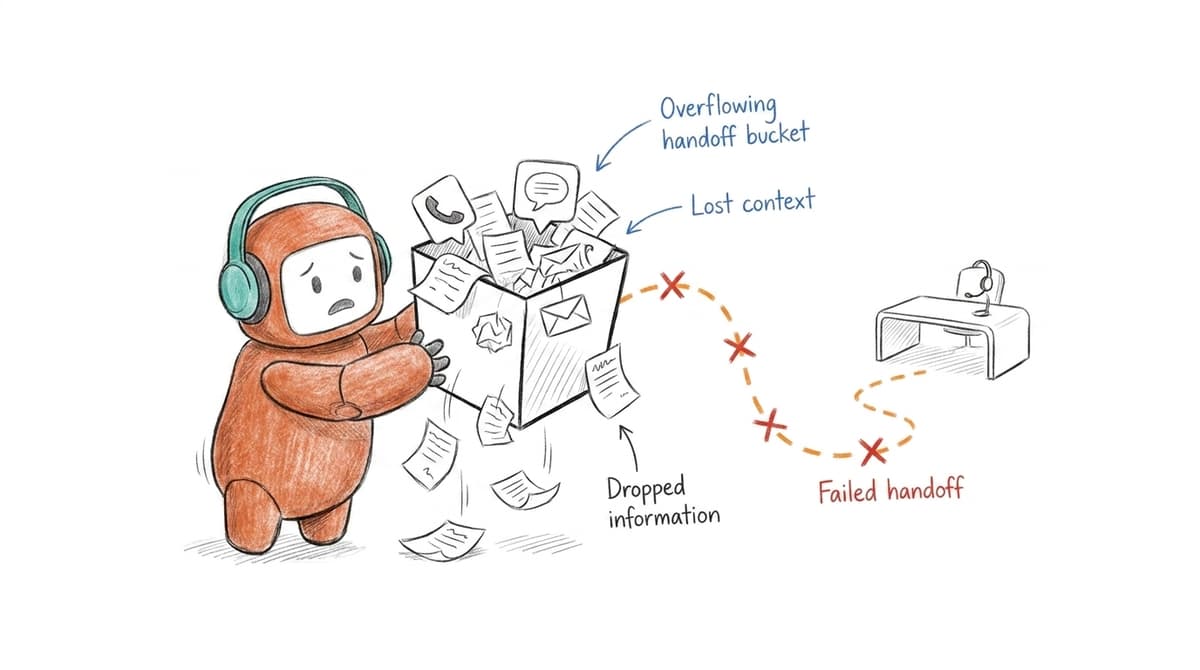
That is where the hidden cost starts. A customer asks about billing in chat Tuesday, calls Wednesday morning, replies to an SMS reminder Wednesday night, and on Thursday gets routed to a human agent who only sees one thread of four. Customer operations turns into a relay race where every runner gets handed a different baton, then asked to finish the race blindfolded. Frankly, that is not an AI problem. It is an architecture problem.
AI Add-Ons Often Become Another Queue
The instinct is understandable: add AI to the helpdesk, bolt a voice bot to the phone line, buy an outbound tool for follow-up. Each purchase solves one visible problem. To be fair, point tools can work when the workflow is narrow and volume is low — a simple FAQ bot for a 3-person support team handling under 200 tickets a week may genuinely be cheaper and easier than a platform. That exception is real.
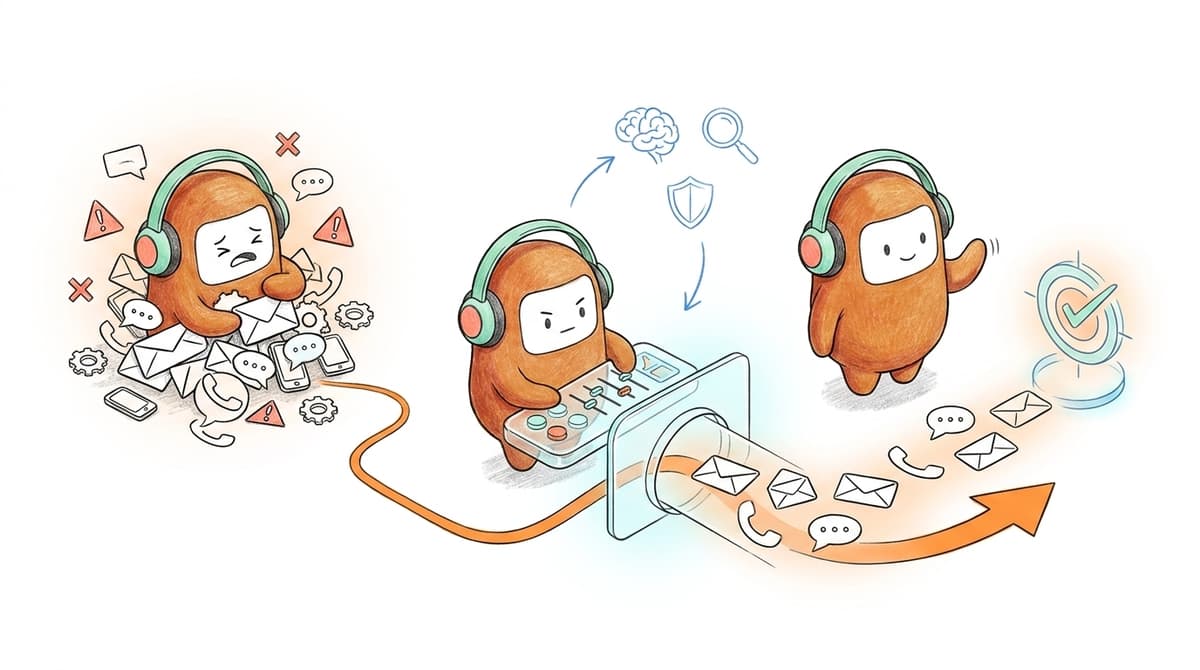
The mistake appears when B2B teams struggle with both inbound and outbound work at the same time. Support needs history, Sales needs speed, Operations needs governance, and Compliance needs logs. A disconnected AI agent can answer a question, but if it cannot route, log, follow up, escalate, and pass the full thread to a person, it is not reducing work. It is moving work to a new queue and calling it progress.
The Human Cost Shows Up in Handoffs
By the third escalation of the day, your agents already know which conversations will go badly. The customer begins with, "I already explained this," and the agent has to apologize before they can even start solving the issue. That apology costs about 45 seconds of handle time, but the trust cost is larger and harder to measure. You can feel the team lowering its standards just to keep the queue moving.
B2B teams struggle with this because customer operations is no longer just support. It includes lead response, collections, reminders, re-engagement, booking, qualification, and follow-up. The work has expanded, but the operating layer stayed split. Time to change what you ask AI to do.
How to Rebuild the Customer Operations Layer
A better customer operations layer starts with division of labor, not headcount replacement. AI should own repeatable conversation steps, while humans own judgment, exceptions, escalation, and relationship-sensitive work. The operating rule is simple: both sides need the same context.
Audit the Work by Action, Not by Channel
List what customers actually need done, not where the conversation starts. Voice, chat, SMS, email, WhatsApp, and web forms are channels. They are not workflows. A billing question, lead qualification path, appointment reminder, late payment outreach, or policy update can start in one channel and finish in another.
Run a plain diagnostic before buying anything new. Pick 50 recent conversations and mark each one by the action it required: answer, route, qualify, collect information, book, follow up, escalate, update a record, or close. If more than 30% required two or more actions across different tools, your issue is not channel coverage. It is workflow fragmentation. In our experience, this is where B2B teams struggle with the most, because the tool map looks organized while the customer journey is messy. Teams that run this 50-conversation audit and find their cross-tool rate above 50% almost always have a CSAT problem within two quarters, even if their current SLA reports look clean.
Separate Repeatable Work From Judgment Work
The future of customer operations is not fewer humans. It is a better split between humans and AI. AI can handle repeatable work when the rules are clear, the knowledge is approved, and the escalation path is defined. Humans should handle the 30% that needs judgment: angry customers, exceptions, negotiation, sensitive disclosures, unusual edge cases, and high-value sales moments.
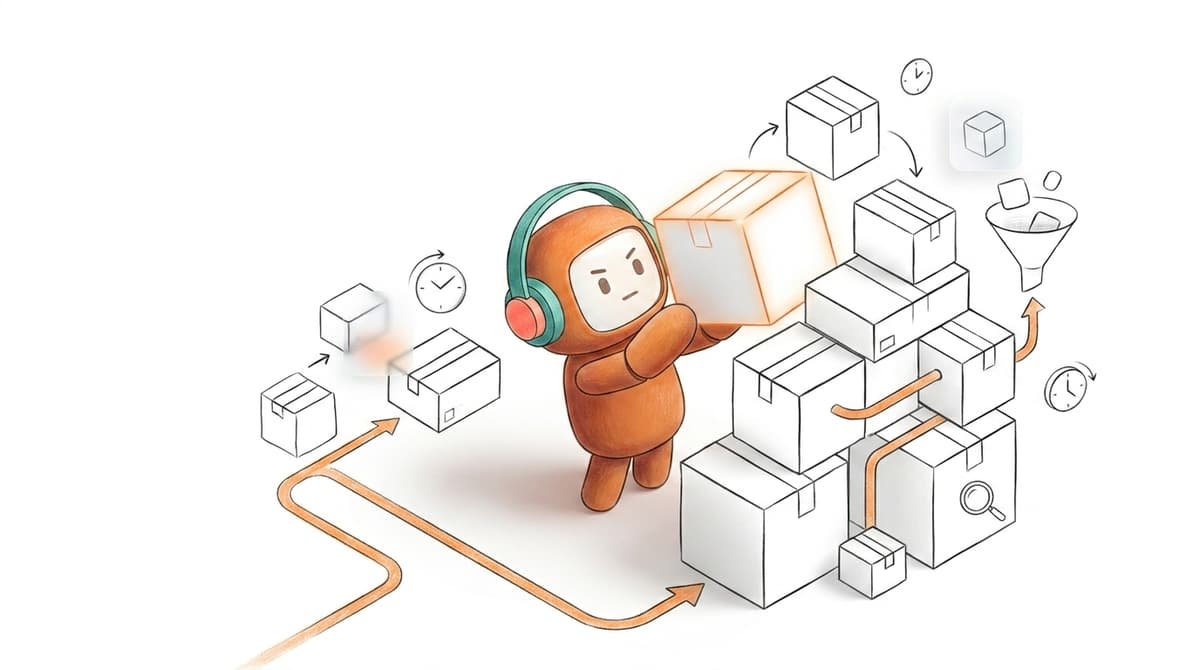
A practical threshold works well here. If an interaction follows the same path 80% of the time and the wrong answer can be caught through clear escalation rules, it is a candidate for AI handling. If the interaction changes based on emotion, risk, customer value, or policy interpretation, keep a person close. Some teams resist this because they want automation to cover everything. I get the pressure to push the number higher. Pushing AI into judgment-heavy work too early creates rework, and rework costs more than the saved minutes — a 4-minute interaction that gets reopened twice burns about 18 minutes of agent time once you count the context rebuild on each touch.
Use the split like this:
- AI handles repetition: status checks, reminders, basic qualification, FAQ answers, routing, follow-up, and structured collection of information.
- Humans handle judgment: negotiation, complaints, exceptions, high-value customers, policy calls, and sensitive escalations.
- Shared systems handle memory: conversation history, summaries, outcomes, customer records, and next steps.
Make Handoff Quality a Hard Metric
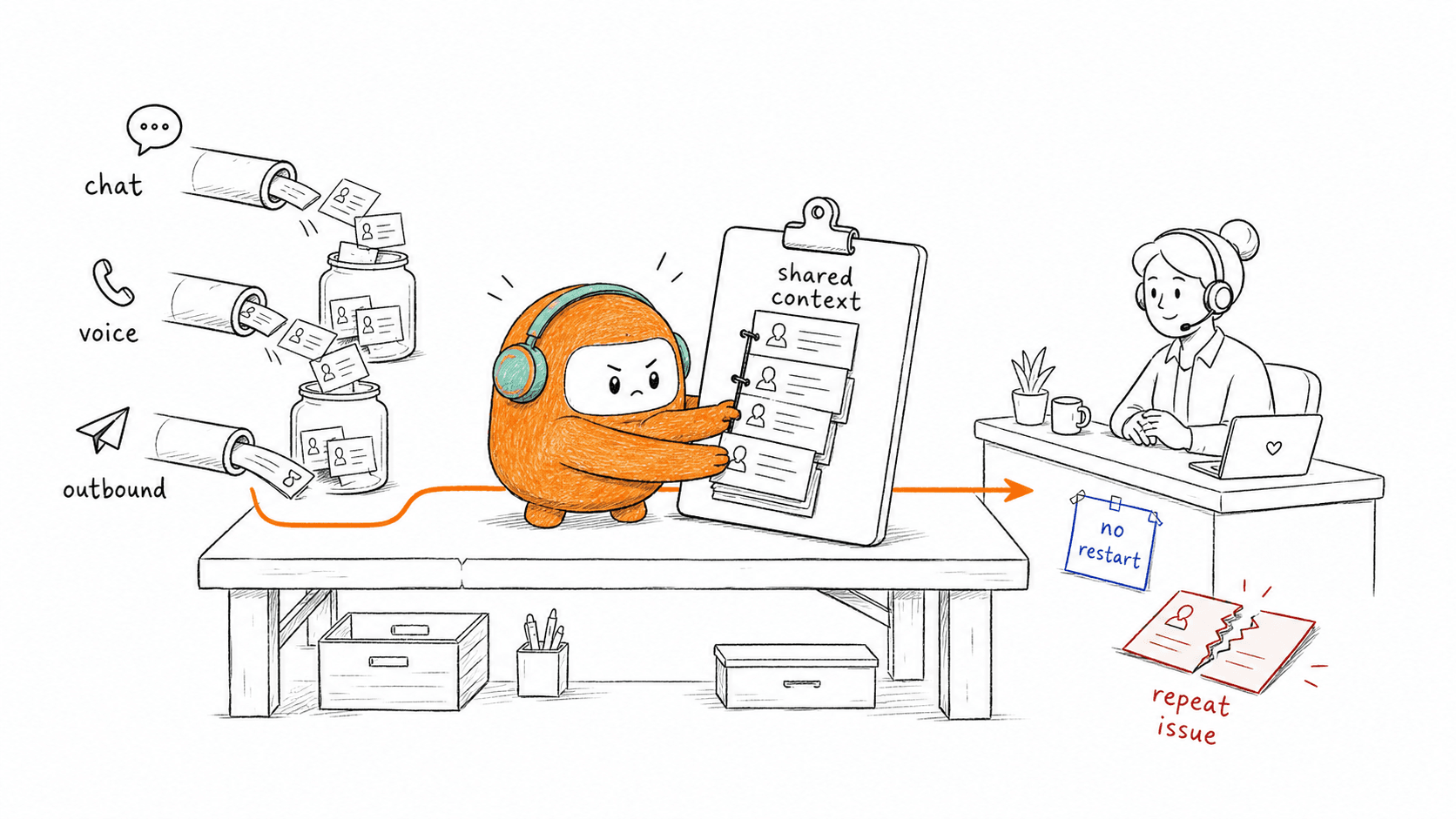
A customer should never pay the price for your internal tool map. When the AI reaches its limit, the human agent should inherit the full thread, the reason for escalation, the customer profile, and the suggested next step. Anything less is not a handoff. It is a restart.
Measure handoff quality with three checks. First, does the agent know what happened before they joined? Second, can the customer continue without repeating the issue? Third, does the system record the outcome in the same place where the conversation started? If any answer is no, the automation is not connected to the work. For teams finding that this handoff audit exposes the same broken queues across support and revenue, book a demo while the failure points are still fresh enough to map.
Bring Outbound Into the Same Operating Model
Outbound is often treated like a separate sales or collections problem. That is why it breaks. A customer who ignores a payment reminder may later open a support ticket. A lead who fills out a form may call support before sales replies. A customer who gets an SMS reminder may respond in WhatsApp two days later. When outbound lives outside customer operations, every touch becomes harder to govern and harder to understand.
The rule I prefer is blunt: if outbound touches the customer, it belongs in the customer operations model. That does not mean every campaign needs the same channel or the same workflow. It means outbound should share customer context, opt-out handling, routing rules, follow-up history, and human escalation paths with inbound. B2B teams struggle with follow-up because they treat it as a campaign task, when it is actually an operations task. The collections team and the support team are talking to the same human, often on the same day. They should be working from the same record.
Keep the CRM, Fix the Work Around It
A CRM can stay the system of record. It should. Sales history, account ownership, deal stages, and customer records belong there. The problem starts when teams expect Salesforce or HubSpot to run live conversations across voice, chat, SMS, messaging, routing, escalation, and follow-up. That is asking the wrong system to do the wrong job.
A cleaner pattern: let the CRM store the record while a customer operations layer runs the work around that record. When a lead arrives, the system should respond, qualify, route, and log the outcome. When a customer calls after an outbound reminder, the agent should see the prior touch within two clicks, not five tabs. When an AI agent escalates, the human should see the summary and the next action. B2B teams struggle with customer operations when they confuse record keeping with work execution. The CRM remembers. The operations layer acts.
How Revve Connects Human and AI Work
Revve connects human and AI work by putting customer conversations, knowledge, routing, inbox activity, and workflow execution inside one customer operations platform. It is built for enterprise teams that need inbound and outbound work in the same operating layer, not another disconnected bot.
One Workspace for Shared Context
Revve gives human agents and AI agents one shared workspace for customer conversations across voice, chat, SMS, messaging, and email. When AI handles a conversation, the activity stays in the same operational record. When a person steps in, the thread, summary, and relevant context are already there. That is the difference between escalation and restart.
The platform also includes ticketing, a shared knowledge base, a unified inbox, and AI voice and chat agents in one workspace. Revve does not replace the CRM, core banking system, billing system, or BI tool. Those systems can remain where they are. Revve sits around the customer-facing work: answer, route, follow up, qualify, collect, remind, escalate, and hand off when needed.
Workflow Execution Across Inbound and Outbound
Revve supports inbound support and outbound engagement in the same system. The AI Voice Agent can handle inbound calls, outbound campaigns, and automated follow-up using configured language, tone, and conversation logic. The AI Chat Agent can answer routine inquiries across digital channels using approved knowledge and escalation rules. Outbound Orchestration lets teams build multi-step outreach across calls, SMS, WhatsApp, messaging apps, and email without splitting campaign logic from customer history.
Revve also includes compliance controls and approval workflows for sensitive support and outbound activity. Rules can check consent status, local time windows, do-not-call restrictions, and opt-out requirements before contact or message delivery. Customers still own legal review, consent, disclosure, and regulatory obligations. Revve gives the operational controls around the workflow, not a magic exemption from responsibility.
For US enterprise teams, that means fewer disconnected tools around support, revenue, and follow-up. For SEA BFSI teams, the same platform can support production needs where local language, workflow execution, and deployment control matter. Revve supports both cloud and on-prem deployment for teams with different security, infrastructure, or regulatory requirements.
What Changes When the Work Lives Together
B2B teams struggle with customer operations because the work expanded faster than the systems around it. More channels, more follow-up, more customer expectations, and more AI do not fix a fragmented operating model. They expose it.
The better model is not AI instead of people. It is AI and people working from the same context, same knowledge, and same workflow layer. Revve is built for that operating model: one customer operations platform for support, sales automation, outbound engagement, and human plus AI handoff. When the work lives together, customers stop repeating themselves and teams stop managing five versions of the same conversation.